Protect critical infrastructure, secure data centers, and ensure telecom regulatory compliance
IT and telecommunications companies manage complex infrastructures with critical data flowing through networks, data centers, and cloud systems. Anexet ensures comprehensive data security and compliance across these complex environments, protecting network infrastructure, securing data centers, and preventing breaches in IT systems while meeting telecom regulatory requirements.
Network Infrastructure Security
Data Center Protection
Telecom Compliance
How Anexet Helps IT and Telecom Companies
Secure network infrastructure with comprehensive monitoring of data flows, network access, and communication channels
Protect data centers with advanced DLP solutions that monitor server access, data transfers, and system configurations
Ensure compliance with telecom regulations through automated monitoring and detailed compliance reporting
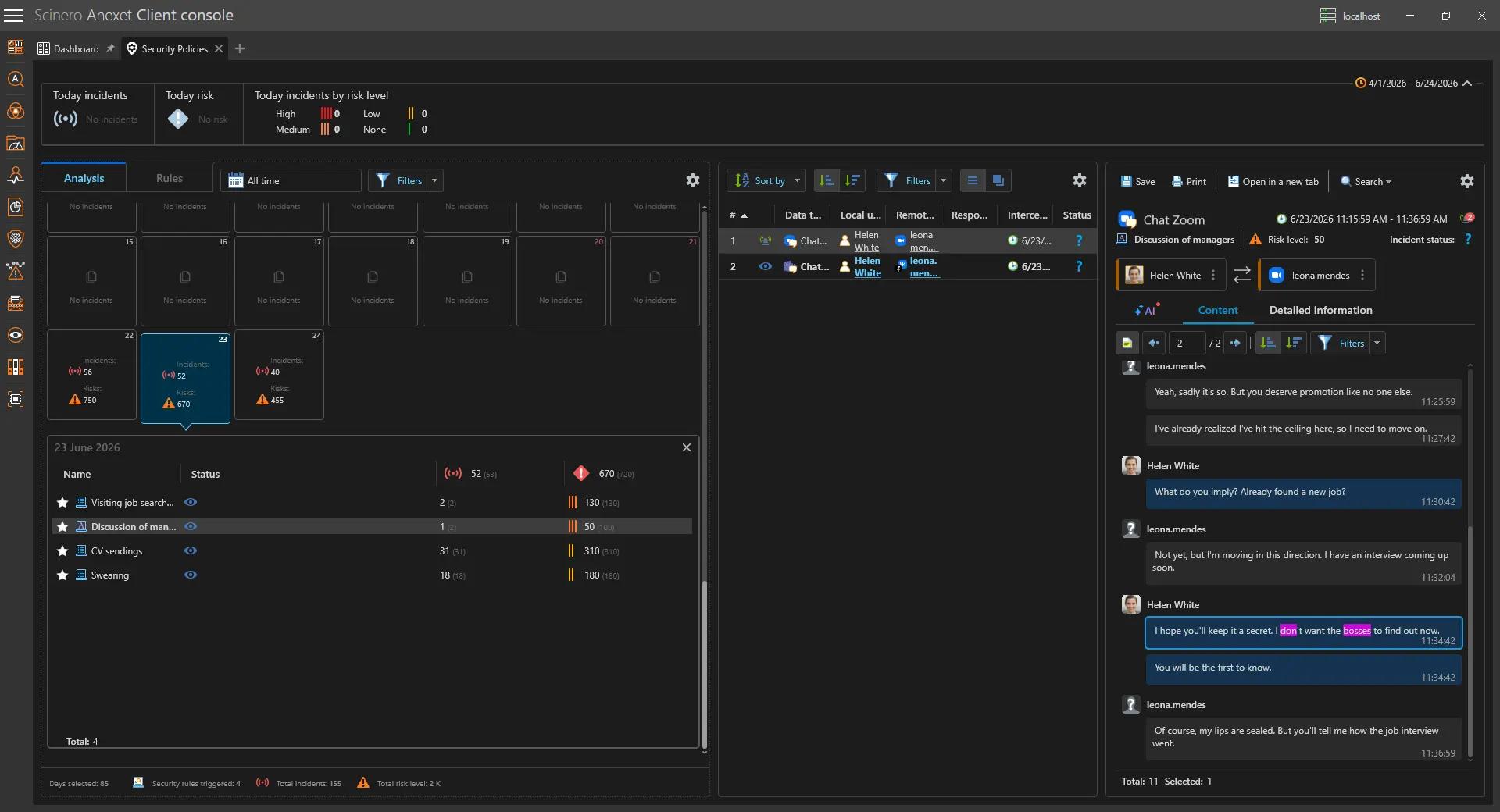
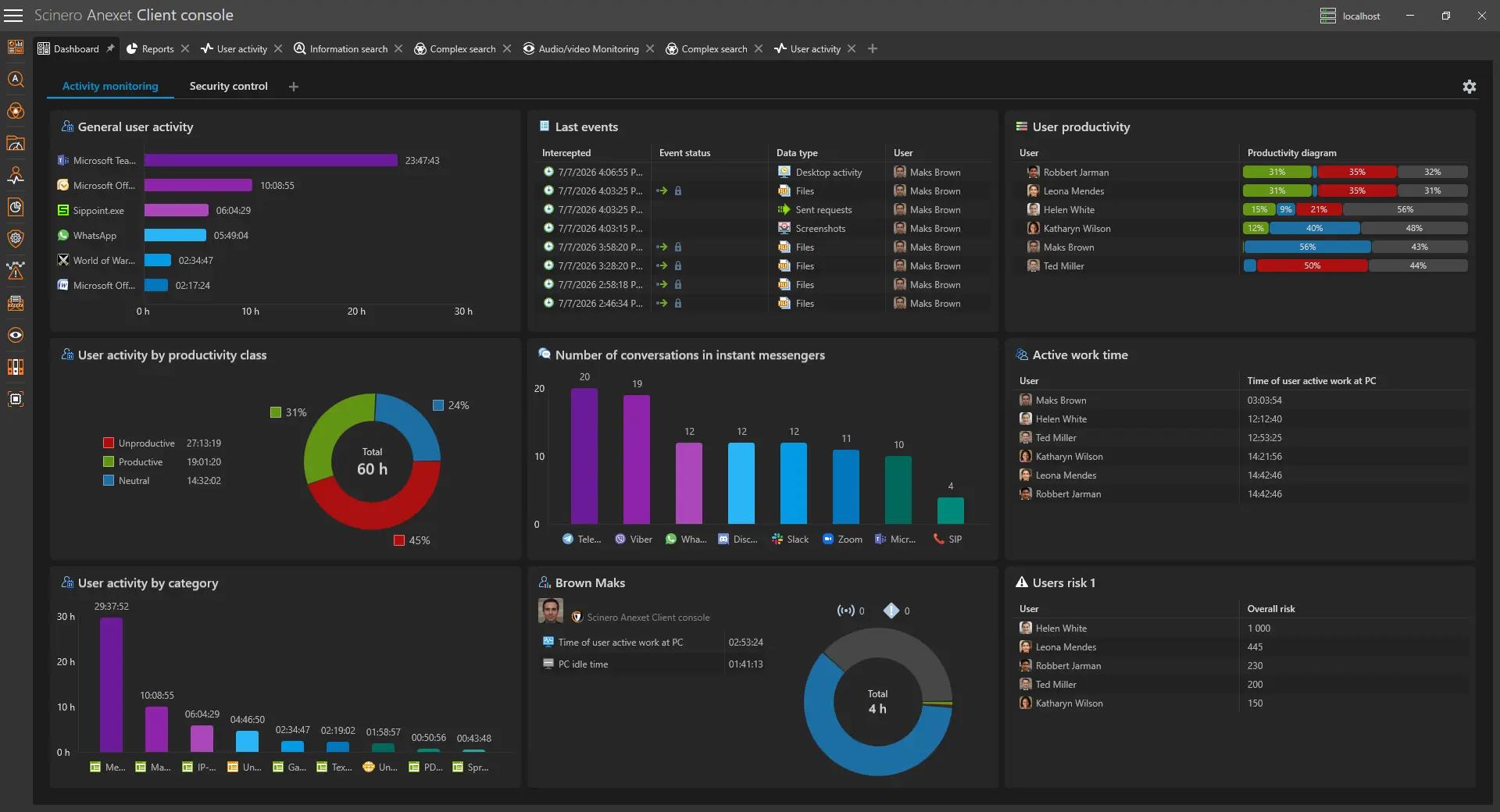
Prevent data breaches in IT systems with real-time threat detection and comprehensive employee activity monitoring
Key Features for IT and Telecom
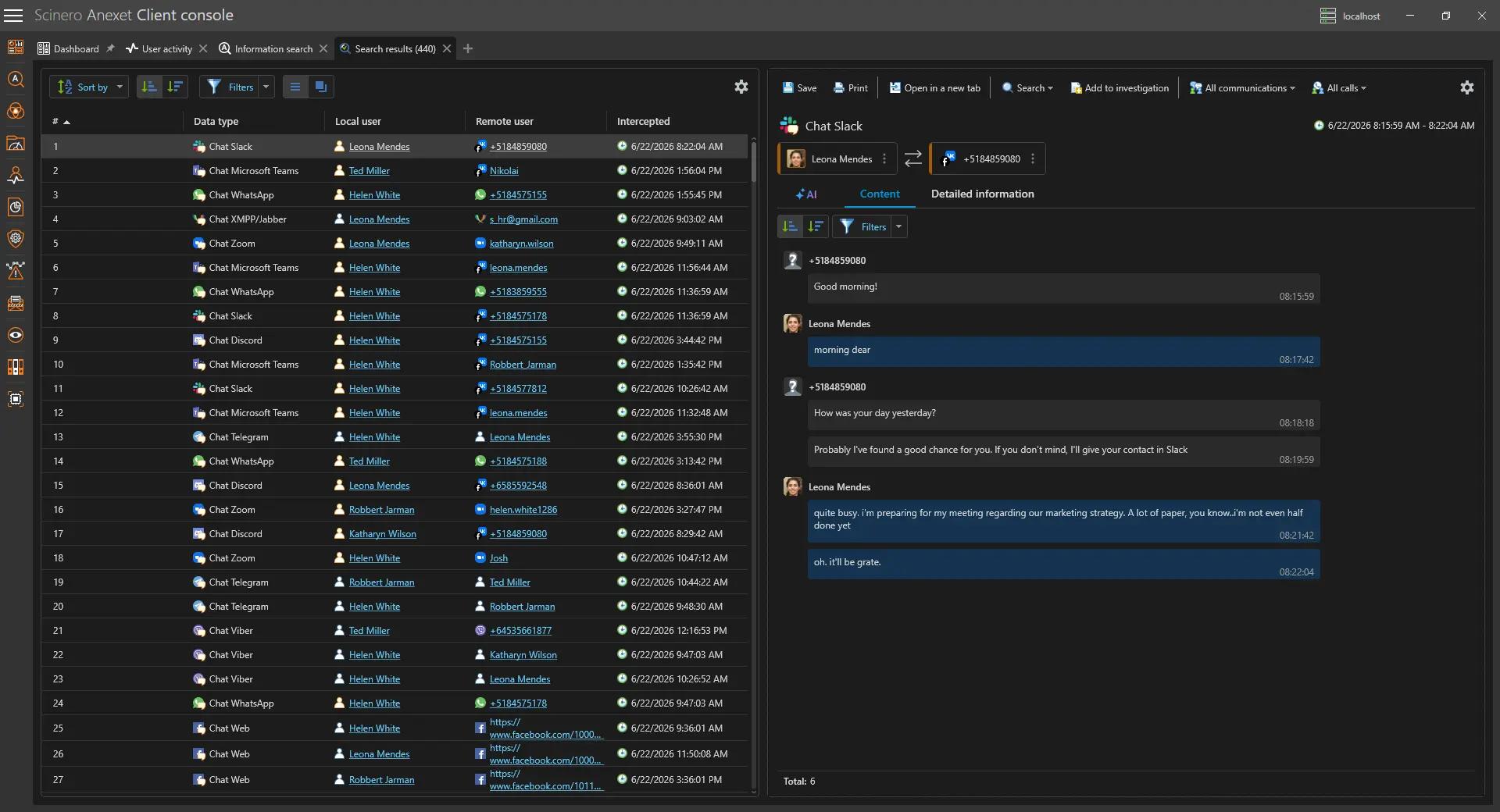
Network monitoring and protection with real-time analysis of data flows and detection of unauthorized access attempts
Server and data center security with endpoint protection and monitoring of critical infrastructure systems
Telecom infrastructure monitoring with specialized solutions for telecommunications networks and equipment
IT asset inventory management with comprehensive tracking of hardware, software, and network devices
Frequently Asked Questions
Find answers to common questions about our solutions for this industry.
How does Anexet protect data center infrastructure?
Anexet monitors server access, data transfers, and system configurations in data centers, prevents unauthorized data exfiltration, and provides comprehensive logging for security audits and compliance requirements.
Can Anexet monitor network traffic for data loss prevention?
Yes, Anexet analyzes network data flows, detects sensitive information in transit, blocks unauthorized transfers, and provides visibility into data movements across network infrastructure.
How does Anexet help telecom companies meet regulatory requirements?
Anexet provides compliance monitoring for telecom regulations, generates audit reports, maintains detailed logs of data access and transfers, and helps demonstrate compliance with telecommunications data protection requirements.
Does Anexet protect against data breaches in cloud environments?
Yes, Anexet monitors cloud service usage, controls data uploads and downloads, prevents unauthorized sharing of sensitive data, and provides visibility into cloud data movements for IT and telecom companies.
Can Anexet secure remote IT infrastructure management?
Anexet protects remote management sessions, monitors administrative access to IT systems, prevents unauthorized configuration changes, and maintains audit trails of all remote management activities.
How does Anexet protect customer data in telecom systems?
Anexet monitors access to customer databases, call detail records, and subscriber information, prevents unauthorized access, and ensures compliance with telecom privacy regulations.
Does Anexet integrate with existing IT security tools?
Yes, Anexet integrates with SIEM systems, ticketing platforms, and other security tools through APIs and standard protocols, enabling unified security operations for IT environments.
How does Anexet handle data protection across multiple data centers?
Anexet provides centralized management for multi-datacenter deployments, allowing consistent security policies across all locations while providing site-specific monitoring and compliance reporting.
Can Anexet protect proprietary IT code and documentation?
Yes, Anexet monitors access to source code repositories, technical documentation, and proprietary algorithms, preventing unauthorized access or theft of valuable IT intellectual property.
How does Anexet address insider threats in IT organizations?
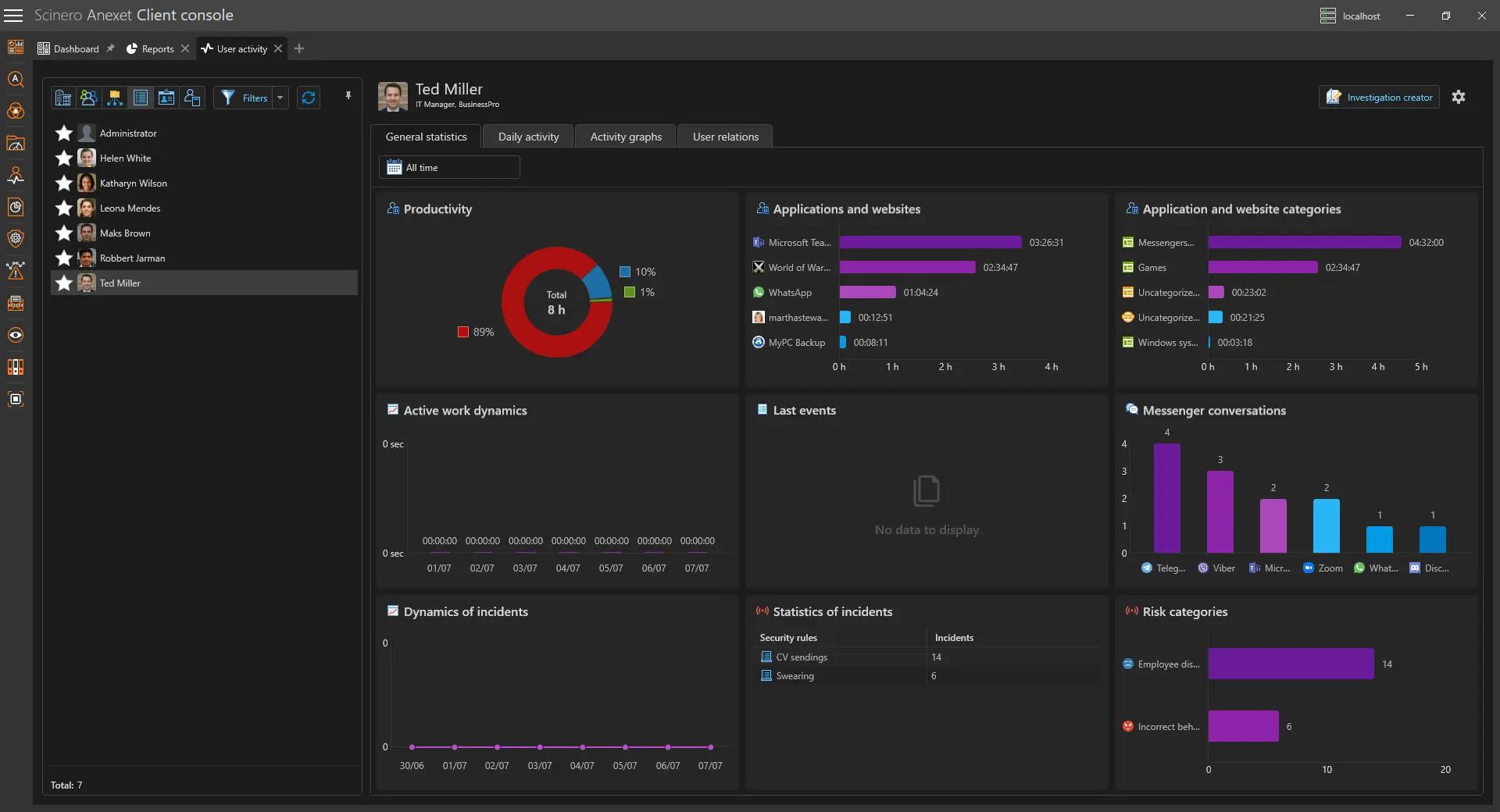
Anexet monitors IT staff activities, detects unusual access patterns to critical systems, alerts on suspicious behavior, and can automatically block unauthorized actions that could lead to data breaches.